
KlopjerO
-
Posts
2,709 -
Joined
-
Last visited
-
Days Won
10
Content Type
Forums
Events
Downloads
Store
Everything posted by KlopjerO
-
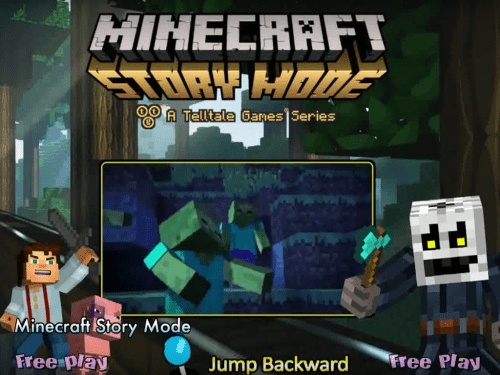
Minecraft Story Mode View File Theme by @Bungles Minecraft: Story Mode is an episodic point-and-click graphic adventure video game developed and published by Telltale Games, based on the sandbox video game Minecraft. The five-episode game was released between October 2015 through March 2016, and an additional three episodes were released as downloadable content in mid-2016. The game was released for Microsoft Windows, OS X, PlayStation 3, PlayStation 4, PlayStation Vita, Wii U, Nintendo Switch, Xbox 360, Xbox One, Android, iOS, and Apple TV. The game was developed in association with Mojang, the original developer of Minecraft. A retail version was released in December 2016.[13] The game follows the episodic format that Telltale Games used for its titles The Walking Dead, The Wolf Among Us, Tales from the Borderlands and Game of Thrones. The game centers around a new character, named Jesse, who can be either male or female, as they and their allies attempt to save their world by defeating the Wither Storm <game name="Minecraft Story Mode" index="true" image="m"> <description>Minecraft Story Mode</description> <cloneof></cloneof> <crc></crc> <manufacturer></manufacturer> <year></year> <genre></genre> <rating>HSRS - PG (Mature Adults Only)</rating> <enabled>Yes</enabled> </game> Submitter klopjero Submitted 04/07/2017 Category Themes (4:3) HyperBase Version Media Dimensions File Count Credits
-
Version 1.0.0
55 downloads
Theme by @Bungles Minecraft: Story Mode is an episodic point-and-click graphic adventure video game developed and published by Telltale Games, based on the sandbox video game Minecraft. The five-episode game was released between October 2015 through March 2016, and an additional three episodes were released as downloadable content in mid-2016. The game was released for Microsoft Windows, OS X, PlayStation 3, PlayStation 4, PlayStation Vita, Wii U, Nintendo Switch, Xbox 360, Xbox One, Android, iOS, and Apple TV. The game was developed in association with Mojang, the original developer of Minecraft. A retail version was released in December 2016.[13] The game follows the episodic format that Telltale Games used for its titles The Walking Dead, The Wolf Among Us, Tales from the Borderlands and Game of Thrones. The game centers around a new character, named Jesse, who can be either male or female, as they and their allies attempt to save their world by defeating the Wither Storm <game name="Minecraft Story Mode" index="true" image="m"> <description>Minecraft Story Mode</description> <cloneof></cloneof> <crc></crc> <manufacturer></manufacturer> <year></year> <genre></genre> <rating>HSRS - PG (Mature Adults Only)</rating> <enabled>Yes</enabled> </game> -
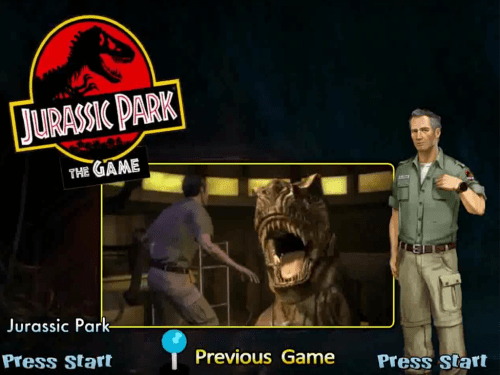
Jurassic Park View File Theme by @Bungles Jurassic Park: The Game is an episodic graphic adventure video game based on the Jurassic Park film franchise. The game was developed by Telltale Games as part of a licensing deal with Universal Pictures. The plot of the game takes place during and after the plot of the first film. The game was originally announced in June 2010 before being revealed in the February issue of Game Informer. The first episode was expected for release in April 2011,[1] but was pushed back to November 15[2] along with the PlayStation 3 and Xbox 360 release, resulting in a multi-platform release with all four episodes at once.[3] <game name="Jurassic Park" index="true" image="j"> <description>Jurassic Park</description> <cloneof></cloneof> <crc></crc> <manufacturer></manufacturer> <year></year> <genre></genre> <rating>HSRS - M15 (Mature Adults Only)</rating> <enabled>Yes</enabled> </game> Submitter klopjero Submitted 04/07/2017 Category Themes (4:3) HyperBase Version Media Dimensions File Count Credits
-
Version 1.0.0
41 downloads
Theme by @Bungles Jurassic Park: The Game is an episodic graphic adventure video game based on the Jurassic Park film franchise. The game was developed by Telltale Games as part of a licensing deal with Universal Pictures. The plot of the game takes place during and after the plot of the first film. The game was originally announced in June 2010 before being revealed in the February issue of Game Informer. The first episode was expected for release in April 2011,[1] but was pushed back to November 15[2] along with the PlayStation 3 and Xbox 360 release, resulting in a multi-platform release with all four episodes at once.[3] <game name="Jurassic Park" index="true" image="j"> <description>Jurassic Park</description> <cloneof></cloneof> <crc></crc> <manufacturer></manufacturer> <year></year> <genre></genre> <rating>HSRS - M15 (Mature Adults Only)</rating> <enabled>Yes</enabled> </game> -
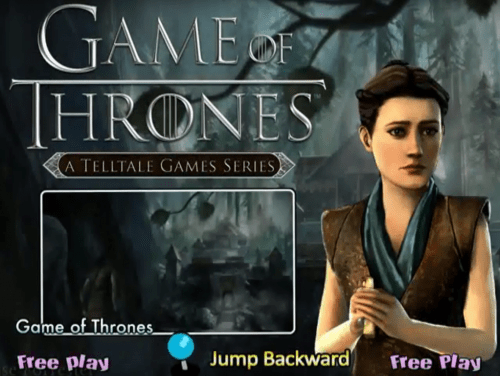
Game of Thrones View File Theme by @Bungles Game of Thrones is an episodic graphic adventure fantasy drama video game based on the George R. R. Martin A Song of Ice and Fire fantasy novel TV adaptation Game of Thrones, released in December 2014 for Android, iOS, Microsoft Windows, OS X, PlayStation 3, PlayStation 4, Xbox 360, and Xbox One. The game was developed by Telltale Games and follows the episodic format found in other Telltale titles, such as The Walking Dead, The Wolf Among Us, and Tales from the Borderlands, where player choices and actions influence later events across the 6-episode arc. The story revolves around the northern House Forrester, rulers of Ironrath, whose members, including the five playable characters, attempt to save their family and themselves after ending up on the losing side of the War of the Five Kings. The game includes settings, characters and voice actors from the novels and TV series. The game was generally well received, and Telltale is currently working on a second season of the game. <game name="Game of Thrones" index="true" image="g"> <description>Game of Thrones</description> <cloneof></cloneof> <crc></crc> <manufacturer></manufacturer> <year></year> <genre></genre> <rating>HSRS - M15 (Mature Adults Only)</rating> <enabled>Yes</enabled> </game> Submitter klopjero Submitted 04/07/2017 Category Themes (4:3) HyperBase Version Media Dimensions File Count Credits
-
Version 1.0.0
37 downloads
Theme by @Bungles Game of Thrones is an episodic graphic adventure fantasy drama video game based on the George R. R. Martin A Song of Ice and Fire fantasy novel TV adaptation Game of Thrones, released in December 2014 for Android, iOS, Microsoft Windows, OS X, PlayStation 3, PlayStation 4, Xbox 360, and Xbox One. The game was developed by Telltale Games and follows the episodic format found in other Telltale titles, such as The Walking Dead, The Wolf Among Us, and Tales from the Borderlands, where player choices and actions influence later events across the 6-episode arc. The story revolves around the northern House Forrester, rulers of Ironrath, whose members, including the five playable characters, attempt to save their family and themselves after ending up on the losing side of the War of the Five Kings. The game includes settings, characters and voice actors from the novels and TV series. The game was generally well received, and Telltale is currently working on a second season of the game. <game name="Game of Thrones" index="true" image="g"> <description>Game of Thrones</description> <cloneof></cloneof> <crc></crc> <manufacturer></manufacturer> <year></year> <genre></genre> <rating>HSRS - M15 (Mature Adults Only)</rating> <enabled>Yes</enabled> </game> -
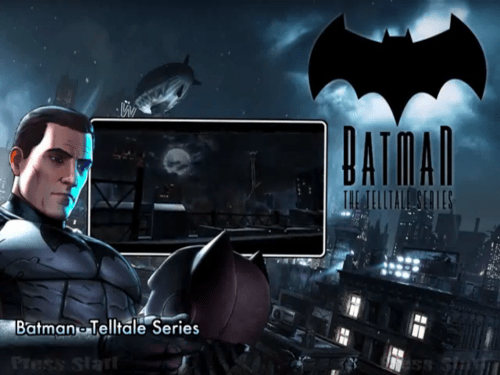
Batman - Telltale Series View File Theme by @Bungles Batman: The Telltale Series is a 2016 episodic point-and-click graphic adventure video game developed and published by Telltale Games and distributed by Warner Bros. Interactive Entertainment under its DC Entertainment label. The game is based on Bob Kane and Bill Finger's Batman character, though not tied to any previous adaptation of the work in film or other media. <game name="Batman - Telltale Series" index="true" image="b"> <description>Batman - Telltale Series</description> <cloneof></cloneof> <crc></crc> <manufacturer></manufacturer> <year></year> <genre></genre> <rating>HSRS - M15 (Mature Adults Only)</rating> <enabled>Yes</enabled> </game> Submitter klopjero Submitted 04/07/2017 Category Themes (4:3) HyperBase Version Media Dimensions File Count Credits
-
Version 1.0.0
35 downloads
Theme by @Bungles Batman: The Telltale Series is a 2016 episodic point-and-click graphic adventure video game developed and published by Telltale Games and distributed by Warner Bros. Interactive Entertainment under its DC Entertainment label. The game is based on Bob Kane and Bill Finger's Batman character, though not tied to any previous adaptation of the work in film or other media. <game name="Batman - Telltale Series" index="true" image="b"> <description>Batman - Telltale Series</description> <cloneof></cloneof> <crc></crc> <manufacturer></manufacturer> <year></year> <genre></genre> <rating>HSRS - M15 (Mature Adults Only)</rating> <enabled>Yes</enabled> </game> -
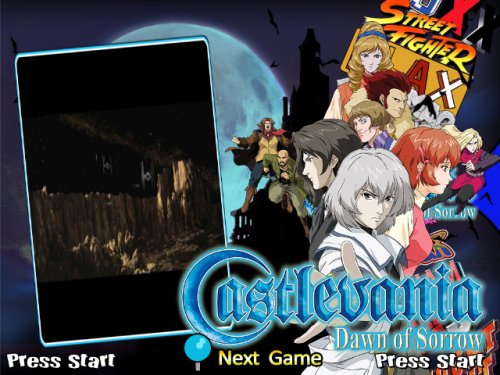
 Nintendo DS - Castlevania - Dawn of Sorrow (USA)-klopjero(20170406) View File Nintendo DS - Castlevania - Dawn of Sorrow (USA)-klopjero(20170406) Castlevania: Dawn of Sorrow, known in Japan as Akumajō Dracula: Sōgetsu no Jūjika (悪魔城ドラキュラ 蒼月の十字架?, literally Devil's Castle Dracula: Cross of the Blue Moon),[2] is an action-adventure game developed and published by Konami. It is part of Konami's Castlevania video game series and the first Castlevania game to be released on the Nintendo DS. The game is the sequel to Castlevania: Aria of Sorrow and incorporates many elements from its predecessor. Dawn of Sorrow was commercially successful, selling more than 15,000 units in its first week in Japan and 164,000 units in the United States three months after its initial release.[3][4] Dawn of Sorrow continues the story of Aria of Sorrow, in which Dracula has been completely defeated, and his powers assumed by his reincarnation, Soma Cruz. With the help of his allies, Soma avoids becoming the new dark lord. A cult forms to bring forth a new dark lord by killing Soma. Soma and his allies move to ensure that a new dark lord is not created. Dawn of Sorrow incorporates many features from previous Castlevania games: the combination of elements from platform games and role-playing video games, the "Tactical Soul" system featured in Aria of Sorrow, and a dark, gothic atmosphere.[5][6] Dawn of Sorrow also introduces new gameplay elements, such as the "Magic Seal" system, which requires the use of the DS stylus to draw a pattern in order to defeat powerful enemies,[5] a distinctive anime character design,[7] and a multiplayer mode, where two players compete for fastest times on a prerendered level.[6] The game received high scores from many video game publications, and was considered one of the best games on the Nintendo DS for 2005. The game was re-released in Japan on June 29, 2006 and later in North America during 2007 as part of the "Konami the Best" line.[1] Submitter klopjero Submitted 04/06/2017 Category Themes (4:3) HyperBase Version Media Dimensions File Count Credits
 -
Version 1.0.0
87 downloads
Nintendo DS - Castlevania - Dawn of Sorrow (USA)-klopjero(20170406) Castlevania: Dawn of Sorrow, known in Japan as Akumajō Dracula: Sōgetsu no Jūjika (悪魔城ドラキュラ 蒼月の十字架?, literally Devil's Castle Dracula: Cross of the Blue Moon),[2] is an action-adventure game developed and published by Konami. It is part of Konami's Castlevania video game series and the first Castlevania game to be released on the Nintendo DS. The game is the sequel to Castlevania: Aria of Sorrow and incorporates many elements from its predecessor. Dawn of Sorrow was commercially successful, selling more than 15,000 units in its first week in Japan and 164,000 units in the United States three months after its initial release.[3][4] Dawn of Sorrow continues the story of Aria of Sorrow, in which Dracula has been completely defeated, and his powers assumed by his reincarnation, Soma Cruz. With the help of his allies, Soma avoids becoming the new dark lord. A cult forms to bring forth a new dark lord by killing Soma. Soma and his allies move to ensure that a new dark lord is not created. Dawn of Sorrow incorporates many features from previous Castlevania games: the combination of elements from platform games and role-playing video games, the "Tactical Soul" system featured in Aria of Sorrow, and a dark, gothic atmosphere.[5][6] Dawn of Sorrow also introduces new gameplay elements, such as the "Magic Seal" system, which requires the use of the DS stylus to draw a pattern in order to defeat powerful enemies,[5] a distinctive anime character design,[7] and a multiplayer mode, where two players compete for fastest times on a prerendered level.[6] The game received high scores from many video game publications, and was considered one of the best games on the Nintendo DS for 2005. The game was re-released in Japan on June 29, 2006 and later in North America during 2007 as part of the "Konami the Best" line.[1] -
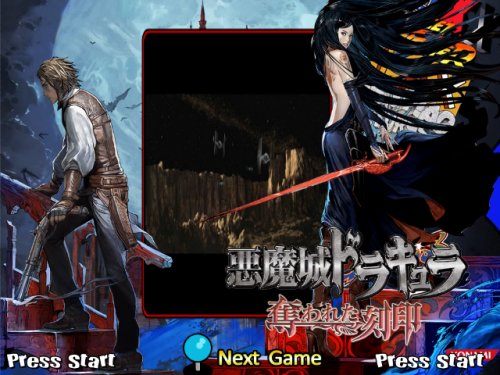
Nintendo DS - Akumajou Dracula Ubawareta Kokuin (Japan)-klopjero(20170402) View File Castlevania: Order of Ecclesia, known in Japan as Akumajō Dracula: Ubawareta Kokuin (悪魔城ドラキュラ 奪われた刻印?, lit. Devil's Castle Dracula: The Stolen Seal),[5] is a platform-adventure game and the third Nintendo DS installment of the Castlevania franchise. Directed by Akihiro Minakata, with long time producer Koji Igarashi returning. The plot involves Shanoa, who is part of an organization set to defeat Dracula after the Belmont clan has vanished. Database entry: <game name="Akumajou Dracula Ubawareta Kokuin (Japan)" index="true" image="A"> <description>Akumajou Dracula Ubawareta Kokuin</description> <cloneof></cloneof> <crc></crc> <manufacturer></manufacturer> <year></year> <genre></genre> <rating>Other - NR (Not Rated)</rating> <enabled>Yes</enabled> </game> Submitter klopjero Submitted 04/06/2017 Category Themes (4:3) HyperBase Version Media Dimensions File Count Credits
-
Version 1.0.0
38 downloads
Castlevania: Order of Ecclesia, known in Japan as Akumajō Dracula: Ubawareta Kokuin (悪魔城ドラキュラ 奪われた刻印?, lit. Devil's Castle Dracula: The Stolen Seal),[5] is a platform-adventure game and the third Nintendo DS installment of the Castlevania franchise. Directed by Akihiro Minakata, with long time producer Koji Igarashi returning. The plot involves Shanoa, who is part of an organization set to defeat Dracula after the Belmont clan has vanished. Database entry: <game name="Akumajou Dracula Ubawareta Kokuin (Japan)" index="true" image="A"> <description>Akumajou Dracula Ubawareta Kokuin</description> <cloneof></cloneof> <crc></crc> <manufacturer></manufacturer> <year></year> <genre></genre> <rating>Other - NR (Not Rated)</rating> <enabled>Yes</enabled> </game> -
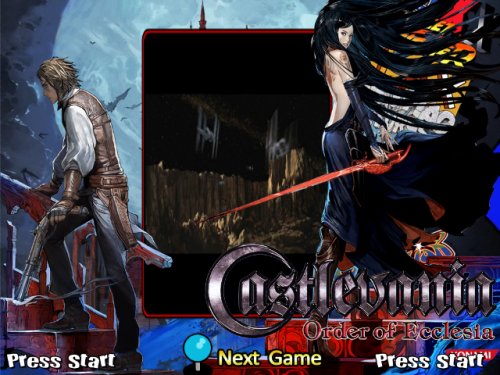
Nintendo DS - Castlevania - Order of Ecclesia (USA) (En,Fr)-klopjero(20170402) View File Castlevania: Order of Ecclesia, known in Japan as Akumajō Dracula: Ubawareta Kokuin (悪魔城ドラキュラ 奪われた刻印?, lit. Devil's Castle Dracula: The Stolen Seal),[5] is a platform-adventure game and the third Nintendo DS installment of the Castlevania franchise. Directed by Akihiro Minakata, with long time producer Koji Igarashi returning. The plot involves Shanoa, who is part of an organization set to defeat Dracula after the Belmont clan has vanished. Submitter klopjero Submitted 04/06/2017 Category Themes (4:3) HyperBase Version Media Dimensions File Count Credits
-
Version 1.0.0
76 downloads
Castlevania: Order of Ecclesia, known in Japan as Akumajō Dracula: Ubawareta Kokuin (悪魔城ドラキュラ 奪われた刻印?, lit. Devil's Castle Dracula: The Stolen Seal),[5] is a platform-adventure game and the third Nintendo DS installment of the Castlevania franchise. Directed by Akihiro Minakata, with long time producer Koji Igarashi returning. The plot involves Shanoa, who is part of an organization set to defeat Dracula after the Belmont clan has vanished. -
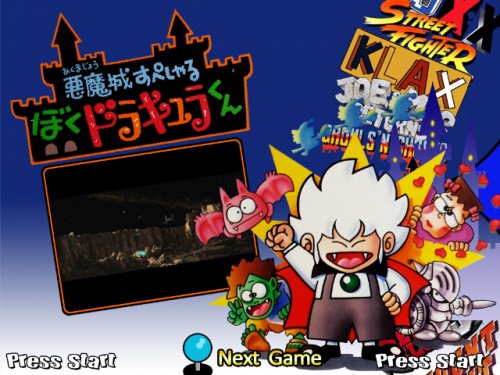
Akumajou Special - Boku Dracula-kun (Japan) (Translated En) View File Akumajou Special - Boku Dracula-kun (Japan) (Translated En) Akumajō Special: Boku Dracula-kun (悪魔城すぺしゃる ぼくドラキュラくん Akumajō Supesharu: Boku Dorakyura-kun?, lit. "Demon Castle Special: I'm Kid Dracula") is a platformer video game made by Konami. It was released only in Japan for the Famicom on 19 October 1990.[1] The game was never localized outside Japan until a fan created translation was released in 2003. It is considered a parody of the Castlevania series. A version for mobile phones was also released on 30 June 2006 in Japan only. Easter Egg At the title screen, entering the Konami Code (Up, Up, Down, Down, Left, Right, Left, Right, B, A) will give a tone for correct code entry. Pressing Start, however, gives you nothing more than a mocking message. Japanese English ざんねんでした。 なにもないよ~ん! Too bad. There's nothing here! The program code were intended to have more than one cheat codes at once, but there is only one cheat entry left in the pointer table for the cheats, the rest is removed at some point. However, some coding for at least one more additional cheat flag exist in the game. Code PAVLSYAA will replace the easter cheat effect with the scrapped unused one, which will gives to you extra 50 lives instead at the start of the new game. Submitter klopjero Submitted 03/27/2017 Category Themes (4:3) HyperBase Version Media Dimensions File Count Credits
-
Version 1.0.0
84 downloads
Akumajou Special - Boku Dracula-kun (Japan) (Translated En) Akumajō Special: Boku Dracula-kun (悪魔城すぺしゃる ぼくドラキュラくん Akumajō Supesharu: Boku Dorakyura-kun?, lit. "Demon Castle Special: I'm Kid Dracula") is a platformer video game made by Konami. It was released only in Japan for the Famicom on 19 October 1990.[1] The game was never localized outside Japan until a fan created translation was released in 2003. It is considered a parody of the Castlevania series. A version for mobile phones was also released on 30 June 2006 in Japan only. Easter Egg At the title screen, entering the Konami Code (Up, Up, Down, Down, Left, Right, Left, Right, B, A) will give a tone for correct code entry. Pressing Start, however, gives you nothing more than a mocking message. Japanese English ざんねんでした。 なにもないよ~ん! Too bad. There's nothing here! The program code were intended to have more than one cheat codes at once, but there is only one cheat entry left in the pointer table for the cheats, the rest is removed at some point. However, some coding for at least one more additional cheat flag exist in the game. Code PAVLSYAA will replace the easter cheat effect with the scrapped unused one, which will gives to you extra 50 lives instead at the start of the new game.-
- 7
-

-

-
- castlevania
- dracula
- (and 2 more)
-
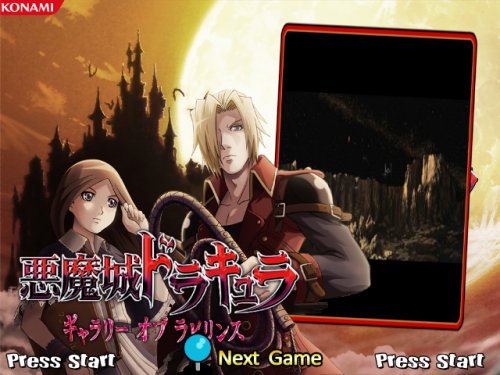
Nintendo DS - Akumajou Dracula - Gallery of Labyrinth (Japan) View File Nintendo DS - Akumajou Dracula - Gallery of Labyrinth (Japan) Database: <game name="Akumajou Dracula - Gallery of Labyrinth (Japan)" index="" image=""> <description>Akumajou Dracula - Gallery of Labyrinth</description> <cloneof></cloneof> <crc></crc> <manufacturer>Konami</manufacturer> <year>2006</year> <genre></genre> <rating>Other - NR (Not Rated)</rating> <enabled>Yes</enabled> ----------- Castlevania: Portrait of Ruin, known in Japan as Akumajō Dracula: Gallery of Labyrinth (悪魔城ドラキュラ ギャラリー・オブ・ラビリンス?, translated Devil's Castle Dracula: Gallery of Labyrinth),[4] is a platform-adventure game developed and published by Konami.[3] The game was released on November 16, 2006 in Japan, and in the US on December 5, 2006 for the Nintendo DS handheld game console.[5] Portrait of Ruin is the first Castlevania to feature a cooperative multiplayer gameplay mode and the first handheld Castlevania to have English voice-overs, outside of its original Japanese release. Portrait of Ruin is set in 1944 Europe during World War II,[6] and is a continuation of the story from Castlevania: Bloodlines.[7] The game introduces new protagonists and antagonists to the Castlevania series as well as expand on the two character gameplay found in the previous Nintendo DS Castlevania title, Castlevania: Dawn of Sorrow. Portrait of Ruin has met with an overall positive critical response and has received high ratings from reviews, along with several awards. Regional Differences Typos US Europe Richter's name was spelled as "RICHITER" on the Japanese and US versions' file select screen (Due to an apparently miss in Japanese-English spelling conversion). This was corrected in the European version, and Japanese revision (NDS-6081). US Europe Charlotte's name was missing an L on the Equip screen (also because Japanese-English spelling transition cases). This was also fixed in the European version and later Japanese revision. Glitch Fixes There are several glitches and exploits in Portrait of Ruin in other countries that that got fixed for the European release, and Japanese revision (NDS-6081). Item duplication exploit for Eric's Quest rewards no longer work. Players are no longer able to skip Eric's congratulatory line about finishing the quest with the Start button. Somewhat a hidden (and possibly accidental) staple since Symphony of the Night, players are no longer able to glitch out of the roofs in the Great Stairways. A glitch involving being locked in Death's room after beating and skipping the boss' dialogue was also fixed. Finally, there is an exploitable glitch about carrying over progress (all, including stats, map and even the same save point) to a new level-cap game which unsurprisingly gets fixed as well. Submitter klopjero Submitted 03/18/2017 Category Themes (4:3) HyperBase Version Media Dimensions File Count Credits
-
Version 1.0.0
35 downloads
Nintendo DS - Akumajou Dracula - Gallery of Labyrinth (Japan) Database: <game name="Akumajou Dracula - Gallery of Labyrinth (Japan)" index="" image=""> <description>Akumajou Dracula - Gallery of Labyrinth</description> <cloneof></cloneof> <crc></crc> <manufacturer>Konami</manufacturer> <year>2006</year> <genre></genre> <rating>Other - NR (Not Rated)</rating> <enabled>Yes</enabled> ----------- Castlevania: Portrait of Ruin, known in Japan as Akumajō Dracula: Gallery of Labyrinth (悪魔城ドラキュラ ギャラリー・オブ・ラビリンス?, translated Devil's Castle Dracula: Gallery of Labyrinth),[4] is a platform-adventure game developed and published by Konami.[3] The game was released on November 16, 2006 in Japan, and in the US on December 5, 2006 for the Nintendo DS handheld game console.[5] Portrait of Ruin is the first Castlevania to feature a cooperative multiplayer gameplay mode and the first handheld Castlevania to have English voice-overs, outside of its original Japanese release. Portrait of Ruin is set in 1944 Europe during World War II,[6] and is a continuation of the story from Castlevania: Bloodlines.[7] The game introduces new protagonists and antagonists to the Castlevania series as well as expand on the two character gameplay found in the previous Nintendo DS Castlevania title, Castlevania: Dawn of Sorrow. Portrait of Ruin has met with an overall positive critical response and has received high ratings from reviews, along with several awards. Regional Differences Typos US Europe Richter's name was spelled as "RICHITER" on the Japanese and US versions' file select screen (Due to an apparently miss in Japanese-English spelling conversion). This was corrected in the European version, and Japanese revision (NDS-6081). US Europe Charlotte's name was missing an L on the Equip screen (also because Japanese-English spelling transition cases). This was also fixed in the European version and later Japanese revision. Glitch Fixes There are several glitches and exploits in Portrait of Ruin in other countries that that got fixed for the European release, and Japanese revision (NDS-6081). Item duplication exploit for Eric's Quest rewards no longer work. Players are no longer able to skip Eric's congratulatory line about finishing the quest with the Start button. Somewhat a hidden (and possibly accidental) staple since Symphony of the Night, players are no longer able to glitch out of the roofs in the Great Stairways. A glitch involving being locked in Death's room after beating and skipping the boss' dialogue was also fixed. Finally, there is an exploitable glitch about carrying over progress (all, including stats, map and even the same save point) to a new level-cap game which unsurprisingly gets fixed as well. -
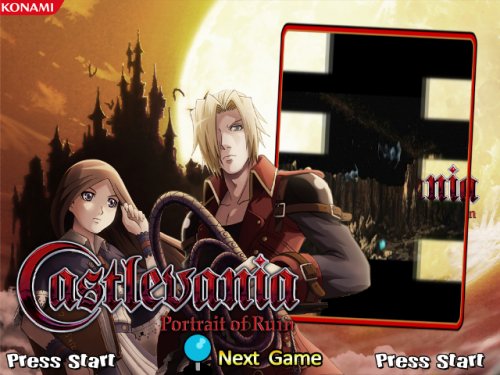
Nintendo DS - Castlevania - Portrait of Ruin (USA)-klopjero View File Castlevania: Portrait of Ruin, known in Japan as Akumajō Dracula: Gallery of Labyrinth (悪魔城ドラキュラ ギャラリー・オブ・ラビリンス?, translated Devil's Castle Dracula: Gallery of Labyrinth),[4] is a platform-adventure game developed and published by Konami.[3] The game was released on November 16, 2006 in Japan, and in the US on December 5, 2006 for the Nintendo DS handheld game console.[5] Portrait of Ruin is the first Castlevania to feature a cooperative multiplayer gameplay mode and the first handheld Castlevania to have English voice-overs, outside of its original Japanese release. Portrait of Ruin is set in 1944 Europe during World War II,[6] and is a continuation of the story from Castlevania: Bloodlines.[7] The game introduces new protagonists and antagonists to the Castlevania series as well as expand on the two character gameplay found in the previous Nintendo DS Castlevania title, Castlevania: Dawn of Sorrow. Portrait of Ruin has met with an overall positive critical response and has received high ratings from reviews, along with several awards. Submitter klopjero Submitted 03/18/2017 Category Themes (4:3) HyperBase Version Media Dimensions File Count Credits
-
Version 1.0.0
74 downloads
Castlevania: Portrait of Ruin, known in Japan as Akumajō Dracula: Gallery of Labyrinth (悪魔城ドラキュラ ギャラリー・オブ・ラビリンス?, translated Devil's Castle Dracula: Gallery of Labyrinth),[4] is a platform-adventure game developed and published by Konami.[3] The game was released on November 16, 2006 in Japan, and in the US on December 5, 2006 for the Nintendo DS handheld game console.[5] Portrait of Ruin is the first Castlevania to feature a cooperative multiplayer gameplay mode and the first handheld Castlevania to have English voice-overs, outside of its original Japanese release. Portrait of Ruin is set in 1944 Europe during World War II,[6] and is a continuation of the story from Castlevania: Bloodlines.[7] The game introduces new protagonists and antagonists to the Castlevania series as well as expand on the two character gameplay found in the previous Nintendo DS Castlevania title, Castlevania: Dawn of Sorrow. Portrait of Ruin has met with an overall positive critical response and has received high ratings from reviews, along with several awards. -
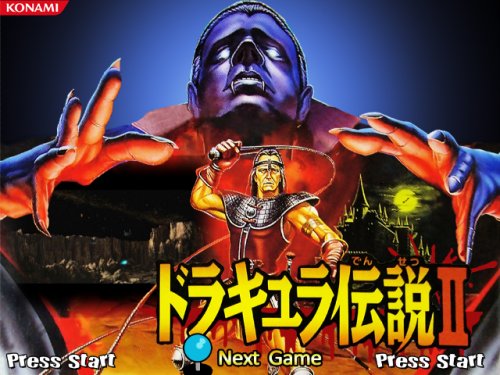
Nintendo Gameboy - Dracula Densetsu II (Japan)-klopjero(20170316) View File Nintendo Gameboy - Dracula Densetsu II (Japan)-klopjero(20170316) Castlevania II: Belmont's Revenge, known as Dracula Densetsu II (ドラキュラ伝説II?, officially translated The Legend of Dracula II)[1] in Japan, is a platform game released for the Game Boy in 1991. It is the second Castlevania title for the Game Boy and serves as a sequel to the previous title, Castlevania: The Adventure. Belmont's Revenge is included in color in the fourth volume of the Konami GB Collection compilations.[2] Set fifteen years after the events of Castlevania: The Adventure, Dracula returns and kidnaps Christopher Belmont's son Soleiyu at his coming of age feast, and turns him into a demon. With Soleiyu's mystical powers, Dracula retakes human form and rebuilds his castle, forcing Christopher to confront Dracula once again to save his son and Transylvania.[3][4] Regional Changes Sound Test Titles As seen above, the track titles were changed to generic names in the overseas releases, likely done to remove their religious references. Japan US Info NEW MESSIAH BGM 1 Crystal Castle PRAYING HANDS BGM 2 Cloud Castle RIPE SEEDS BGM 3 Plant Castle PSYCO WARRIOR BGM 4 Rock Castle ORIGINAL SIN BGM 5 Dracula Castle 1 PASSPIED BGM 6 Dracula Castle 2-1 EVIL GODS BOSS 1 Regular boss C.PHANTASIE BOSS 2 Dracula Castle 2 boss SONS OF SATAN BOSS 3 Final boss SOLEIYU DEMO 1 Dracula Castle map FAITH DEMO 2 Dialogue NEW CHURCH SELECT BGM Stage select Weapons Japan US While both regions of the game share the Holy Water, the other weapon is different in each. The Japanese version offers a boomerang, but the US version has the axe, either because it was more useful or less broken. Submitter klopjero Submitted 03/16/2017 Category Themes (4:3) HyperBase Version Media Dimensions File Count Credits
-
Version 1.0.0
52 downloads
Nintendo Gameboy - Dracula Densetsu II (Japan)-klopjero(20170316) Castlevania II: Belmont's Revenge, known as Dracula Densetsu II (ドラキュラ伝説II?, officially translated The Legend of Dracula II)[1] in Japan, is a platform game released for the Game Boy in 1991. It is the second Castlevania title for the Game Boy and serves as a sequel to the previous title, Castlevania: The Adventure. Belmont's Revenge is included in color in the fourth volume of the Konami GB Collection compilations.[2] Set fifteen years after the events of Castlevania: The Adventure, Dracula returns and kidnaps Christopher Belmont's son Soleiyu at his coming of age feast, and turns him into a demon. With Soleiyu's mystical powers, Dracula retakes human form and rebuilds his castle, forcing Christopher to confront Dracula once again to save his son and Transylvania.[3][4] Regional Changes Sound Test Titles As seen above, the track titles were changed to generic names in the overseas releases, likely done to remove their religious references. Japan US Info NEW MESSIAH BGM 1 Crystal Castle PRAYING HANDS BGM 2 Cloud Castle RIPE SEEDS BGM 3 Plant Castle PSYCO WARRIOR BGM 4 Rock Castle ORIGINAL SIN BGM 5 Dracula Castle 1 PASSPIED BGM 6 Dracula Castle 2-1 EVIL GODS BOSS 1 Regular boss C.PHANTASIE BOSS 2 Dracula Castle 2 boss SONS OF SATAN BOSS 3 Final boss SOLEIYU DEMO 1 Dracula Castle map FAITH DEMO 2 Dialogue NEW CHURCH SELECT BGM Stage select Weapons Japan US While both regions of the game share the Holy Water, the other weapon is different in each. The Japanese version offers a boomerang, but the US version has the axe, either because it was more useful or less broken. -
 Ah! You're the man who created those. I saw your youtube video displaying these. Cool idea, blending the book pages of Lord of Shadow with these themes, it gives a very uniform look. I salute you ! very wel done
 -
 I like it, although some might find it inappropriate, we used to have a special corner on the ftp for these sort of themes.
 -
Sega Mega Drive - Castlevania - The New Generation (Europe)-klopjero
KlopjerO commented on KlopjerO's file in Game Themes (4:3)
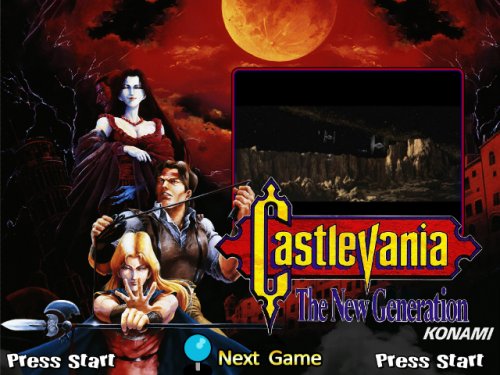 My pleasure to give the world this theme.. bloodlines US will be here tomorrow .. maybe.. ugly box..might take a while
- 2 comments
-
- 1
-
-
- sega mega drive
- pal
- (and 2 more)