

KlopjerO
-
Posts
2,709 -
Joined
-
Last visited
-
Days Won
10
Content Type
Forums
Events
Downloads
Store
Everything posted by KlopjerO
-
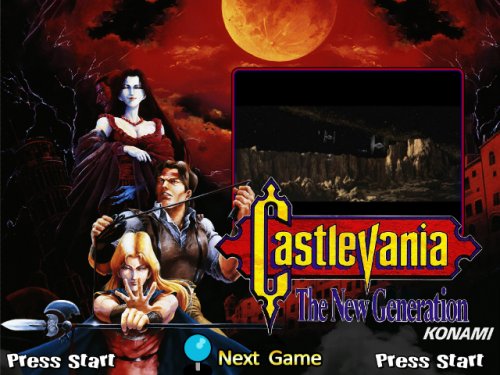
 Sega Mega Drive - Castlevania - The New Generation (Europe)-klopjero View File Sega Mega Drive - Castlevania - The New Generation (Europe)-klopjero Castlevania: Bloodlines, known as Vampire Killer[a] in Japan and as Castlevania: The New Generation in PAL regions, is a platform game developed and published by Konami for the Sega Genesis, released worldwide in March 1994. It was the only Castlevania video game released on the Genesis. The game's storyline concerns a legendary vampire named Elizabeth Bartley who is Dracula's niece, suddenly appearing in the 20th century. Plotting a sacrificial war in order to bring her uncle back to life, she orchestrates the beginning of World War I. Quincy Morris' son, John, and his best friend Eric Lecarde, vow to take up the fight against evil. Together they manage to prevent Dracula's full resurrection. Unlike most Castlevania games, Bloodlines was the first game in the series that does not take place exclusively in Dracula's castle, with most levels taking place throughout Europe. Regional Differences Title Screen Japan US Europe The Japanese title, strangely, is not some variant on Akumajou Dracula but instead simply Vampire Killer. The censorship of blood in the European version extended to the title, and not only graphically, as the game is called Castlevania: The New Generation. Characters Japan US/Europe Eric Lecarde's face was significantly less masculine looking in the Japanese version's introduction and Expert ending. US/Europe Japan John Morris is called Johnny Morris in the Japanese version. Passwords The Japanese version handles passwords differently - instead of showing passwords in between levels, in the Japanese version passwords are shown after the End option is chosen on the game over screen. Blood Blood has been removed from the European version in various ways: US/Japan Europe The dead zombie outside of Castle Dracula, which some crows are feeding on, was removed in the European version. US/Japan Europe The zombies were changed from pink with red blood to a greenish blue with green blood in the European version. US/Japan Europe Hung corpses and blood dripping from the platforms of Stage 1 and Stage 6-2 were removed entirely in the European version as well. US/Japan Europe Due to the aforementioned objection to blood itself (again!), the blood fountain in Stage 5-1 was changed to a boring regular fountain when walking past it. The Blood Skeleton surprisingly survived the censorship. US/Japan Europe Eric no longer get impaled when he dies in the European version. Submitter klopjero Submitted 03/12/2017 Category Themes (4:3) HyperBase Version Media Dimensions File Count Credits
 -
Version 1.0.0
111 downloads
Sega Mega Drive - Castlevania - The New Generation (Europe)-klopjero Castlevania: Bloodlines, known as Vampire Killer[a] in Japan and as Castlevania: The New Generation in PAL regions, is a platform game developed and published by Konami for the Sega Genesis, released worldwide in March 1994. It was the only Castlevania video game released on the Genesis. The game's storyline concerns a legendary vampire named Elizabeth Bartley who is Dracula's niece, suddenly appearing in the 20th century. Plotting a sacrificial war in order to bring her uncle back to life, she orchestrates the beginning of World War I. Quincy Morris' son, John, and his best friend Eric Lecarde, vow to take up the fight against evil. Together they manage to prevent Dracula's full resurrection. Unlike most Castlevania games, Bloodlines was the first game in the series that does not take place exclusively in Dracula's castle, with most levels taking place throughout Europe. Regional Differences Title Screen Japan US Europe The Japanese title, strangely, is not some variant on Akumajou Dracula but instead simply Vampire Killer. The censorship of blood in the European version extended to the title, and not only graphically, as the game is called Castlevania: The New Generation. Characters Japan US/Europe Eric Lecarde's face was significantly less masculine looking in the Japanese version's introduction and Expert ending. US/Europe Japan John Morris is called Johnny Morris in the Japanese version. Passwords The Japanese version handles passwords differently - instead of showing passwords in between levels, in the Japanese version passwords are shown after the End option is chosen on the game over screen. Blood Blood has been removed from the European version in various ways: US/Japan Europe The dead zombie outside of Castle Dracula, which some crows are feeding on, was removed in the European version. US/Japan Europe The zombies were changed from pink with red blood to a greenish blue with green blood in the European version. US/Japan Europe Hung corpses and blood dripping from the platforms of Stage 1 and Stage 6-2 were removed entirely in the European version as well. US/Japan Europe Due to the aforementioned objection to blood itself (again!), the blood fountain in Stage 5-1 was changed to a boring regular fountain when walking past it. The Blood Skeleton surprisingly survived the censorship. US/Japan Europe Eric no longer get impaled when he dies in the European version.- 2 comments
-
- 7
-

-

-
- sega mega drive
- pal
- (and 2 more)
-
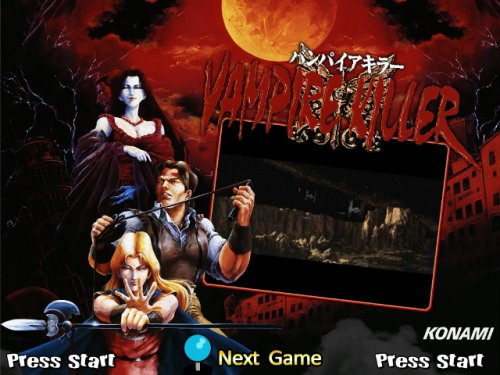
Sega Mega Drive - Akumajou Dracula - Vampire Killer (Japan)-klopjero View File Sega Mega Drive - Akumajou Dracula - Vampire Killer (Japan)-klopjero Castlevania: Bloodlines, known as Vampire Killer[a] in Japan and as Castlevania: The New Generation in PAL regions, is a platform game developed and published by Konami for the Sega Genesis, released worldwide in March 1994. It was the only Castlevania video game released on the Genesis. The game's storyline concerns a legendary vampire named Elizabeth Bartley who is Dracula's niece, suddenly appearing in the 20th century. Plotting a sacrificial war in order to bring her uncle back to life, she orchestrates the beginning of World War I. Quincy Morris' son, John, and his best friend Eric Lecarde, vow to take up the fight against evil. Together they manage to prevent Dracula's full resurrection. Unlike most Castlevania games, Bloodlines was the first game in the series that does not take place exclusively in Dracula's castle, with most levels taking place throughout Europe. Regional Differences Title Screen Japan US Europe The Japanese title, strangely, is not some variant on Akumajou Dracula but instead simply Vampire Killer. The censorship of blood in the European version extended to the title, and not only graphically, as the game is called Castlevania: The New Generation. Characters Japan US/Europe Eric Lecarde's face was significantly less masculine looking in the Japanese version's introduction and Expert ending. US/Europe Japan John Morris is called Johnny Morris in the Japanese version. Passwords The Japanese version handles passwords differently - instead of showing passwords in between levels, in the Japanese version passwords are shown after the End option is chosen on the game over screen. Blood Blood has been removed from the European version in various ways: US/Japan Europe The dead zombie outside of Castle Dracula, which some crows are feeding on, was removed in the European version. US/Japan Europe The zombies were changed from pink with red blood to a greenish blue with green blood in the European version. US/Japan Europe Hung corpses and blood dripping from the platforms of Stage 1 and Stage 6-2 were removed entirely in the European version as well. US/Japan Europe Due to the aforementioned objection to blood itself (again!), the blood fountain in Stage 5-1 was changed to a boring regular fountain when walking past it. The Blood Skeleton surprisingly survived the censorship. US/Japan Europe Eric no longer get impaled when he dies in the European version. Submitter klopjero Submitted 03/12/2017 Category Themes (4:3) HyperBase Version Media Dimensions File Count Credits
-
Version 1.0.1
82 downloads
Sega Mega Drive - Akumajou Dracula - Vampire Killer (Japan)-klopjero Castlevania: Bloodlines, known as Vampire Killer[a] in Japan and as Castlevania: The New Generation in PAL regions, is a platform game developed and published by Konami for the Sega Genesis, released worldwide in March 1994. It was the only Castlevania video game released on the Genesis. The game's storyline concerns a legendary vampire named Elizabeth Bartley who is Dracula's niece, suddenly appearing in the 20th century. Plotting a sacrificial war in order to bring her uncle back to life, she orchestrates the beginning of World War I. Quincy Morris' son, John, and his best friend Eric Lecarde, vow to take up the fight against evil. Together they manage to prevent Dracula's full resurrection. Unlike most Castlevania games, Bloodlines was the first game in the series that does not take place exclusively in Dracula's castle, with most levels taking place throughout Europe. Regional Differences Title Screen Japan US Europe The Japanese title, strangely, is not some variant on Akumajou Dracula but instead simply Vampire Killer. The censorship of blood in the European version extended to the title, and not only graphically, as the game is called Castlevania: The New Generation. Characters Japan US/Europe Eric Lecarde's face was significantly less masculine looking in the Japanese version's introduction and Expert ending. US/Europe Japan John Morris is called Johnny Morris in the Japanese version. Passwords The Japanese version handles passwords differently - instead of showing passwords in between levels, in the Japanese version passwords are shown after the End option is chosen on the game over screen. Blood Blood has been removed from the European version in various ways: US/Japan Europe The dead zombie outside of Castle Dracula, which some crows are feeding on, was removed in the European version. US/Japan Europe The zombies were changed from pink with red blood to a greenish blue with green blood in the European version. US/Japan Europe Hung corpses and blood dripping from the platforms of Stage 1 and Stage 6-2 were removed entirely in the European version as well. US/Japan Europe Due to the aforementioned objection to blood itself (again!), the blood fountain in Stage 5-1 was changed to a boring regular fountain when walking past it. The Blood Skeleton surprisingly survived the censorship. US/Japan Europe Eric no longer get impaled when he dies in the European version. -
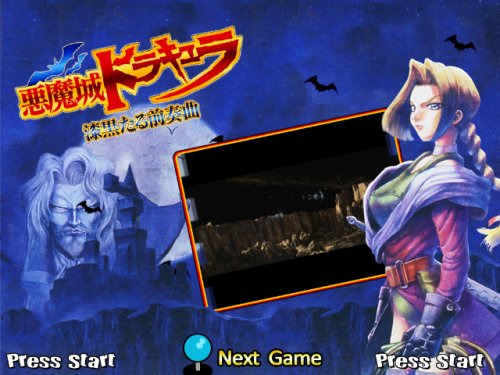
Nintendo Gameboy - Akumajou Dracula - Shikkoku Taru Zensoukyoku - Dark Night Prelude (Japan)-klopjero View File Castlevania Legends, released in Japan as Akumajō Dracula: Dark Night Prelude (悪魔城ドラキュラ 漆黒たる前奏曲ダークナイト プレリュード Akumajō Dorakyura Dāku Naito Pureryūdo?) is the third and final Castlevania title released for the original Game Boy. It was released in Japan on November 27, 1997 and in North America on March 11, 1998. As with many Game Boy titles after 1994, Legends has some enhancements when played on the Super Game Boy. Click here for US/European version Submitter klopjero Submitted 03/11/2017 Category Themes (4:3) HyperBase Version Media Dimensions File Count Credits
-
Version 1.0.0
43 downloads
Castlevania Legends, released in Japan as Akumajō Dracula: Dark Night Prelude (悪魔城ドラキュラ 漆黒たる前奏曲ダークナイト プレリュード Akumajō Dorakyura Dāku Naito Pureryūdo?) is the third and final Castlevania title released for the original Game Boy. It was released in Japan on November 27, 1997 and in North America on March 11, 1998. As with many Game Boy titles after 1994, Legends has some enhancements when played on the Super Game Boy. Click here for US/European version-
- 3
-
-
- gameboy
- castlevania
- (and 1 more)
-
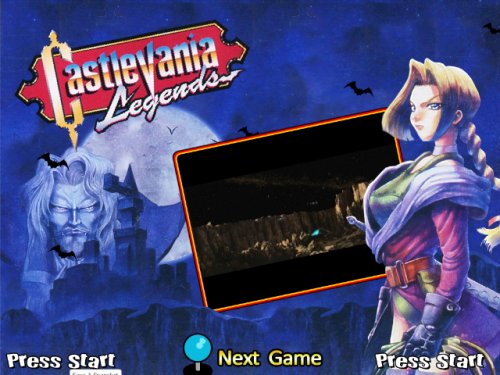
Nintendo Gameboy - Castlevania Legends (USA, Europe)-klopjero View File Castlevania Legends, released in Japan as Akumajō Dracula: Dark Night Prelude (悪魔城ドラキュラ 漆黒たる前奏曲ダークナイト プレリュード Akumajō Dorakyura Dāku Naito Pureryūdo?) is the third and final Castlevania title released for the original Game Boy. It was released in Japan on November 27, 1997 and in North America on March 11, 1998. As with many Game Boy titles after 1994, Legends has some enhancements when played on the Super Game Boy. Submitter klopjero Submitted 03/11/2017 Category Themes (4:3) HyperBase Version Media Dimensions File Count Credits
-
Version 1.0.0
59 downloads
Castlevania Legends, released in Japan as Akumajō Dracula: Dark Night Prelude (悪魔城ドラキュラ 漆黒たる前奏曲ダークナイト プレリュード Akumajō Dorakyura Dāku Naito Pureryūdo?) is the third and final Castlevania title released for the original Game Boy. It was released in Japan on November 27, 1997 and in North America on March 11, 1998. As with many Game Boy titles after 1994, Legends has some enhancements when played on the Super Game Boy.-
- 6
-
-
- gameboy
- castlevania
- (and 1 more)
-
Nintendo Famicom - Akumajou Densetsu (Japan)-klopjero
KlopjerO commented on KlopjerO's file in Game Themes
 I plan to stop at the lord of shadows
 -
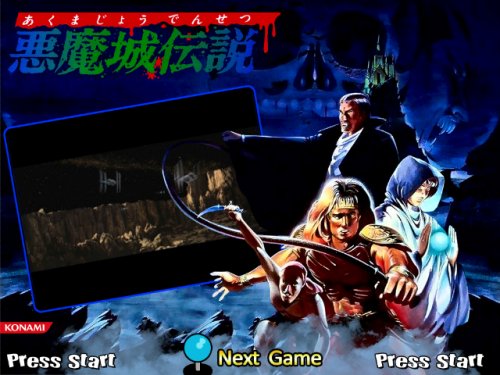
Nintendo Famicom - Akumajou Densetsu (Japan)-klopjero View File Nintendo Famicom - Akumajou Densetsu (Japan)-klopjero Castlevania III: Dracula's Curse, known in Japan as Akumajō Densetsu (悪魔城伝説?, literally Devil's Castle Legend),[2] is the third and final Castlevania video game produced for the Nintendo Entertainment System. It was published by Konami in Japan in 1989, in North America in 1990, and in Europe in 1992 (some time after the European release of Super Castlevania IV). It was later released on the Wii Virtual Console in the PAL regions on October 31, 2008, in North America on January 12, 2009 and in Japan on April 21, 2009. The plot of Castlevania III: Dracula's Curse is a prequel to the original Castlevania (much like the earlier Game Boy game Castlevania: The Adventure) set a few centuries before the events of the original game. The game's protagonist is Trevor C. Belmont, an ancestor of the original hero Simon Belmont. Regional Differences Castlevania III managed to slip a lot of religious imagery under Nintendo's radar, but all of the game's nudity has been censored. Some graphics and palettes have also been improved. Akumajou Densetsu Castlevania III The nude statues seen on the name entry screen and password screen have been given dresses and their shading has been updated. The vines that were originally on the statues were removed. Castlevania III also uses a much more stylish font than Akumajou Densetsu. Amusingly, the opposite went on to happen in Castlevania IV. Akumajou Densetsu Castlevania III The same also applies to the nude statues at Block 8-01 in Dracula's Curse. Akumajou Densetsu Castlevania III The cross in the intro scene originally had a "glowing" effect surrounding it, which was removed in Castlevania III. Akumajou Densetsu Castlevania III Medusa lost her female characteristics in Dracula's Curse. Akumajou Densetsu Castlevania III Besides the breast reduction, the completely messed up animation frame for her aiming upward stance was cleaned up. Still, three of her animation frames were less than perfect. Her head looks suspiciously mispositioned in one of her aiming straight ahead frames. A few Medusa-tiles went unused in the Japanese ROM, an arm meant for the glitchy animation frame. And a different part of the body found in both ROMs, meant for this frame: Submitter klopjero Submitted 03/11/2017 Category Themes (4:3) HyperBase Version Media Dimensions File Count Credits
-
Version 1.0.0
95 downloads
Nintendo Famicom - Akumajou Densetsu (Japan)-klopjero Castlevania III: Dracula's Curse, known in Japan as Akumajō Densetsu (悪魔城伝説?, literally Devil's Castle Legend),[2] is the third and final Castlevania video game produced for the Nintendo Entertainment System. It was published by Konami in Japan in 1989, in North America in 1990, and in Europe in 1992 (some time after the European release of Super Castlevania IV). It was later released on the Wii Virtual Console in the PAL regions on October 31, 2008, in North America on January 12, 2009 and in Japan on April 21, 2009. The plot of Castlevania III: Dracula's Curse is a prequel to the original Castlevania (much like the earlier Game Boy game Castlevania: The Adventure) set a few centuries before the events of the original game. The game's protagonist is Trevor C. Belmont, an ancestor of the original hero Simon Belmont. Regional Differences Castlevania III managed to slip a lot of religious imagery under Nintendo's radar, but all of the game's nudity has been censored. Some graphics and palettes have also been improved. Akumajou Densetsu Castlevania III The nude statues seen on the name entry screen and password screen have been given dresses and their shading has been updated. The vines that were originally on the statues were removed. Castlevania III also uses a much more stylish font than Akumajou Densetsu. Amusingly, the opposite went on to happen in Castlevania IV. Akumajou Densetsu Castlevania III The same also applies to the nude statues at Block 8-01 in Dracula's Curse. Akumajou Densetsu Castlevania III The cross in the intro scene originally had a "glowing" effect surrounding it, which was removed in Castlevania III. Akumajou Densetsu Castlevania III Medusa lost her female characteristics in Dracula's Curse. Akumajou Densetsu Castlevania III Besides the breast reduction, the completely messed up animation frame for her aiming upward stance was cleaned up. Still, three of her animation frames were less than perfect. Her head looks suspiciously mispositioned in one of her aiming straight ahead frames. A few Medusa-tiles went unused in the Japanese ROM, an arm meant for the glitchy animation frame. And a different part of the body found in both ROMs, meant for this frame:- 3 comments
-
- 5
-
-
- draculas curse
- japan
- (and 3 more)
-
.thumb.jpg.a5e7c90a06de8031664f194dbd30fa7a.jpg) there is a TM in the logo..
there is a TM in the logo.. -
-
Super Famicom - Akumajou Dracula (Japan)-klopjero
KlopjerO commented on KlopjerO's file in Game Themes
.thumb.png.3fdfad30521f8ecbf525be1c528d1fca.png) I wanted to give a reason to play the super famicom version
I wanted to give a reason to play the super famicom version -
Version 1.0.1
83 downloads
Akumajou Dracula (Japan) Super Castlevania IV (Japanese: 悪魔城ドラキュラ Hepburn: Akumajō Dorakyura?, Devil's Castle Dracula[2]) is a platform game developed and published by Konami and the first Castlevania game for the Super Nintendo Entertainment System. The game was originally released in 1991 and later re-released on the Virtual Console in 2006 for the Wii,[3] in 2013 for the Wii U, and in 2016 for the New Nintendo 3DS.[4] It features expanded play control, 16-bit graphics featuring SNES Mode 7, and a soundtrack featuring brand new pieces and arrangements based on previous Castlevania music. Following the same setting as Castlevania on the NES, the game takes place in 1691 Transylvania, where the vampire hunter Simon Belmont must defeat the vampire Dracula.[3][5] ====================== source:http://www.movie-censorship.com/report.php?ID=3424 One of the oldest and often continued game series released by Konami is the "AkumaJou Dracula"-saga, in Western countries better known as "Vampire Killer" and most frequently known as "Castlevania". The first of the two games For Nintendo's Super Famicom/SNES was released in Japan as well as internationally, however, some of the details were censored for the translated versions. This is a comparison between the uncensored Japanese Super Famicon version and the censored North American SNES version. The censorship can be found in any international version - the Japanese version is the only uncensored version in existance. On the left side you will always find the images from the uncensored version. The following things were altered: The dripping blood during the title screen was deleted. During the intro, the cross on Dracula's tombstone was deleted and you can no longer read the name. The tombstones in stage 2 also miss out on the crosses. The statues are a little more revealing in the uncensored version. The blood during the levels was re-colored: in the original version it's red, while in the censored version it's green. The same thing happened with all the drips that fall from the ceiling and hurt you. The coffin-enemies also miss out on the corsses. -
Super Famicom - Akumajou Dracula (Japan)-klopjero View File Akumajou Dracula (Japan) Super Castlevania IV (Japanese: 悪魔城ドラキュラ Hepburn: Akumajō Dorakyura?, Devil's Castle Dracula[2]) is a platform game developed and published by Konami and the first Castlevania game for the Super Nintendo Entertainment System. The game was originally released in 1991 and later re-released on the Virtual Console in 2006 for the Wii,[3] in 2013 for the Wii U, and in 2016 for the New Nintendo 3DS.[4] It features expanded play control, 16-bit graphics featuring SNES Mode 7, and a soundtrack featuring brand new pieces and arrangements based on previous Castlevania music. Following the same setting as Castlevania on the NES, the game takes place in 1691 Transylvania, where the vampire hunter Simon Belmont must defeat the vampire Dracula.[3][5] Submitter klopjero Submitted 03/07/2017 Category Themes (4:3) HyperBase Version Media Dimensions File Count Credits
-
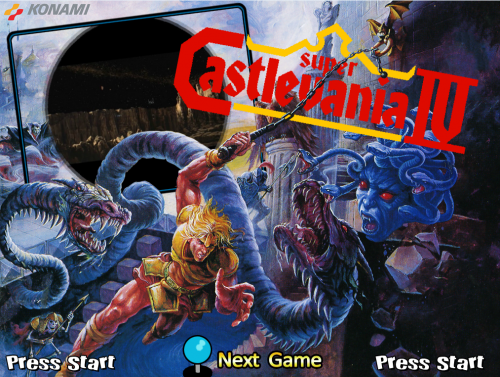
Super Nintendo Entertainment System - Super Castlevania IV (USA)-klopjero View File Super Castlevania IV (Japanese: 悪魔城ドラキュラ Hepburn: Akumajō Dorakyura?, Devil's Castle Dracula[2]) is a platform game developed and published by Konami and the first Castlevania game for the Super Nintendo Entertainment System. The game was originally released in 1991 and later re-released on the Virtual Console in 2006 for the Wii,[3] in 2013 for the Wii U, and in 2016 for the New Nintendo 3DS.[4] It features expanded play control, 16-bit graphics featuring SNES Mode 7, and a soundtrack featuring brand new pieces and arrangements based on previous Castlevania music. Following the same setting as Castlevania on the NES, the game takes place in 1691 Transylvania, where the vampire hunter Simon Belmont must defeat the vampire Dracula.[3][5] Submitter klopjero Submitted 03/06/2017 Category Themes (4:3) HyperBase Version Media Dimensions File Count Credits
-
Version 1.0.0
139 downloads
Super Nintendo Entertainment System - Super Castlevania IV (USA)-klopjero Super Castlevania IV (Japanese: 悪魔城ドラキュラ Hepburn: Akumajō Dorakyura?, Devil's Castle Dracula[2]) is a platform game developed and published by Konami and the first Castlevania game for the Super Nintendo Entertainment System. The game was originally released in 1991 and later re-released on the Virtual Console in 2006 for the Wii,[3] in 2013 for the Wii U, and in 2016 for the New Nintendo 3DS.[4] It features expanded play control, 16-bit graphics featuring SNES Mode 7, and a soundtrack featuring brand new pieces and arrangements based on previous Castlevania music. Following the same setting as Castlevania on the NES, the game takes place in 1691 Transylvania, where the vampire hunter Simon Belmont must defeat the vampire Dracula.[3][5]-
- 5
-
-
- castlevania
- nintendo
- (and 2 more)
-
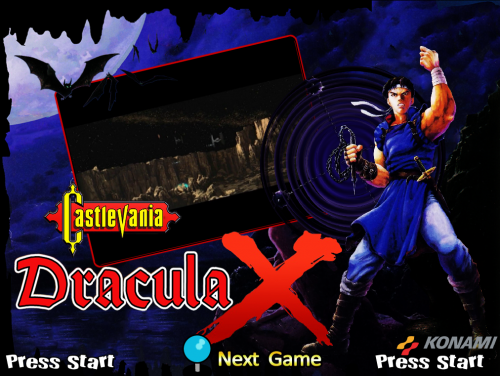
Super Nintendo Entertainment System - Castlevania - Dracula X (USA)-klopjero View File Castlevania: Dracula X, known as Akumajou Dracula XX (悪魔城ドラキュラXX Akumajō Dorakyura XX?) in Japan and Castlevania: Vampire's Kiss in Europe,[27] was developed for the Super Nintendo Entertainment System.[3] While the plot is similar to Rondo of Blood and it uses many of the latter's graphics, it featured a different art style, redesigned levels, and altered gameplay elements (such as having only two alternate levels and Maria as a nonplayable character).[3][22][28] It was released on July 21, 1995 in Japan, in September 1995 in the USA and Europe,[27] and on June 22, 1996 in Australia as an uncensored release.[citation needed] The game was also released as a Wii U Virtual Console download in Japan on April 23, 2014, in North America on October 2, 2014 and the PAL regions on November 13, 2014. A version for the New Nintendo 3DS was released in North America on December 29, 2016, and in Europe and Australia on January 26, 2017. Submitter klopjero Submitted 03/06/2017 Category Themes (4:3) HyperBase Version Media Dimensions File Count Credits
-
Version 1.0.0
121 downloads
Castlevania: Dracula X, known as Akumajou Dracula XX (悪魔城ドラキュラXX Akumajō Dorakyura XX?) in Japan and Castlevania: Vampire's Kiss in Europe,[27] was developed for the Super Nintendo Entertainment System.[3] While the plot is similar to Rondo of Blood and it uses many of the latter's graphics, it featured a different art style, redesigned levels, and altered gameplay elements (such as having only two alternate levels and Maria as a nonplayable character).[3][22][28] It was released on July 21, 1995 in Japan, in September 1995 in the USA and Europe,[27] and on June 22, 1996 in Australia as an uncensored release.[citation needed] The game was also released as a Wii U Virtual Console download in Japan on April 23, 2014, in North America on October 2, 2014 and the PAL regions on November 13, 2014. A version for the New Nintendo 3DS was released in North America on December 29, 2016, and in Europe and Australia on January 26, 2017. For Japanese version (Castlevania - Akumajou Dracula XX) click here For PAL Version (castlevania - Vampire's Kiss)click here -
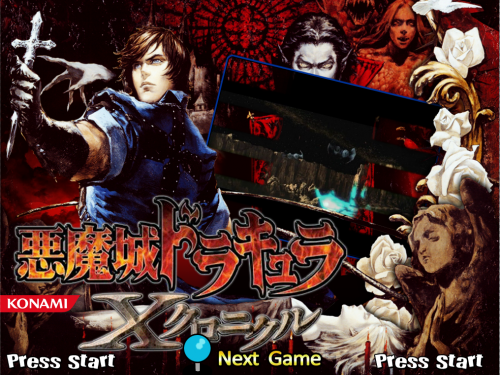
Sony PSP - Akumajou Dracula - X Chronicle (Japan)-klopjero View File Castlevania: The Dracula X Chronicles, known in Japan as Akumajō Dracula X Chronicle (悪魔城ドラキュラ Xクロニクル Akumajō Dorakyura Ekkusu Kuronikuru?, lit. "Devil's Castle Dracula X Chronicle")[29] is a 2.5D remake of Rondo of Blood for the PlayStation Portable.[8] It includes the original game and a port of its sequel, Symphony of the Night, as unlockable content.[1] Symphony of the Night includes the option to play as Maria (as did the Sega Saturn version, but based on the Rondo of Blood version), as well as redone scripts, sound effects and new voice acting.[30] Gameplay in The Dracula X Chronicles remains largely unchanged from Rondo of Blood.[31] However, a Boss Rush mode was added; completion of it three times unlocks the mini-game Peke.[32] It was released in North America on October 23, 2007, in Japan on November 8, 2007, in Europe on February 15, 2008 and in Australia & New Zealand on April 9, 2008.[33] In 2008, the North American edition was re-released as part of the "Greatest Hits" label while the Japanese edition was re-released on July 15, 2010 under the "Best Selection" label.[33] The game was added to the PlayStation Network in Europe in June 2014, as a PSP-only release (the game is already compatible with the PS Vita).[34] Submitter klopjero Submitted 03/05/2017 Category Themes (4:3) HyperBase Version Media Dimensions File Count Credits
-
Version 1.0.0
74 downloads
Castlevania: The Dracula X Chronicles, known in Japan as Akumajō Dracula X Chronicle (悪魔城ドラキュラ Xクロニクル Akumajō Dorakyura Ekkusu Kuronikuru?, lit. "Devil's Castle Dracula X Chronicle")[29] is a 2.5D remake of Rondo of Blood for the PlayStation Portable.[8] It includes the original game and a port of its sequel, Symphony of the Night, as unlockable content.[1] Symphony of the Night includes the option to play as Maria (as did the Sega Saturn version, but based on the Rondo of Blood version), as well as redone scripts, sound effects and new voice acting.[30] Gameplay in The Dracula X Chronicles remains largely unchanged from Rondo of Blood.[31] However, a Boss Rush mode was added; completion of it three times unlocks the mini-game Peke.[32] It was released in North America on October 23, 2007, in Japan on November 8, 2007, in Europe on February 15, 2008 and in Australia & New Zealand on April 9, 2008.[33] In 2008, the North American edition was re-released as part of the "Greatest Hits" label while the Japanese edition was re-released on July 15, 2010 under the "Best Selection" label.[33] The game was added to the PlayStation Network in Europe in June 2014, as a PSP-only release (the game is already compatible with the PS Vita).[34]-
- 5
-
-
- japan
- castlevania
- (and 1 more)
-
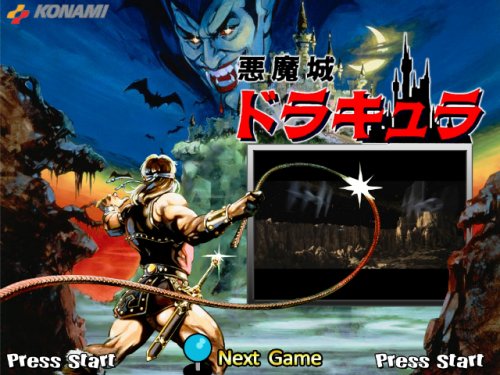
Akumajou Dracula (Japan)-klopjero(20170303) View File Castlevania, known in Japan as Akumajou Dracula (悪魔城ドラキュラ Akumajō Dorakyura?, officially translated Devil's Castle Dracula),[6] is an action-platformer video game developed and published by Konami for the Family Computer Disk System video game console in Japan in September 1986. It was ported to cartridge format and released in North America for the Nintendo Entertainment System (NES) in May 1987 followed by a European release in 1988. The game takes place in the year 1691 where players control Simon Belmont who is tasked with defeating the vampire Dracula. It was re-released for the Family Computer (FC) in cartridge format in 1993. It is the first game in Konami's Castlevania video game series; it was followed by two more NES games titled Castlevania II: Simon's Quest (released for the NES in 1988) and Castlevania III: Dracula's Curse (1989). A fourth game, retelling the events of the original, was released for the Super NES and titled Super Castlevania IV. Castlevania was positively received and financially successful. It is considered an NES classic by PC World, while Nintendo Power and Game Informer ranked it in their best video games list (at 22 and 48 respectively). IGN ranked it 19 among their favourite NES games. Submitter klopjero Submitted 03/03/2017 Category Themes (4:3) HyperBase Version Media Dimensions File Count Credits
-
Version 1.0.0
83 downloads
Castlevania, known in Japan as Akumajou Dracula (悪魔城ドラキュラ Akumajō Dorakyura?, officially translated Devil's Castle Dracula),[6] is an action-platformer video game developed and published by Konami for the Family Computer Disk System video game console in Japan in September 1986. It was ported to cartridge format and released in North America for the Nintendo Entertainment System (NES) in May 1987 followed by a European release in 1988. The game takes place in the year 1691 where players control Simon Belmont who is tasked with defeating the vampire Dracula. It was re-released for the Family Computer (FC) in cartridge format in 1993. It is the first game in Konami's Castlevania video game series; it was followed by two more NES games titled Castlevania II: Simon's Quest (released for the NES in 1988) and Castlevania III: Dracula's Curse (1989). A fourth game, retelling the events of the original, was released for the Super NES and titled Super Castlevania IV. Castlevania was positively received and financially successful. It is considered an NES classic by PC World, while Nintendo Power and Game Informer ranked it in their best video games list (at 22 and 48 respectively). IGN ranked it 19 among their favourite NES games. -
Microsoft MSX2 - Vampire Killer (Japan)-klopjero(20170303) View File Vampire Killer, known as Akumajō Dracula (悪魔城ドラキュラ?, officially translated Devil's Castle Dracula)[1] in Japan, is a platform-adventure game produced by Konami and released in 1986 for the MSX2 computer platform in Japan and Europe.[2] It was in development around the same time as the Nintendo Entertainment System (NES) game Castlevania, which shares the same title in Japan.[3] The MSX2 version of Akumajō Dracula was released in Japan on October 30, 1986,[4] a month following the NES version,[5] making it the second game in the Castlevania series. It was the first Castlevania game released in Europe. It was never released in North America. In contrast to the more traditional platform gameplay of the NES Castlevania, the MSX Vampire Killer was instead a more open-ended platform game.[3]The game's non-linear design had a similar structure to Metroid released that same year.[6] The game laid the foundations for the open-ended action-adventure platform gameplay later seen in the 1987 title Castlevania II: Simon's Quest, 1997 title Castlevania: Symphony of the Night, and most 2D Castlevania games following it.[7] Submitter klopjero Submitted 03/03/2017 Category Themes (4:3) HyperBase Version Media Dimensions File Count Credits